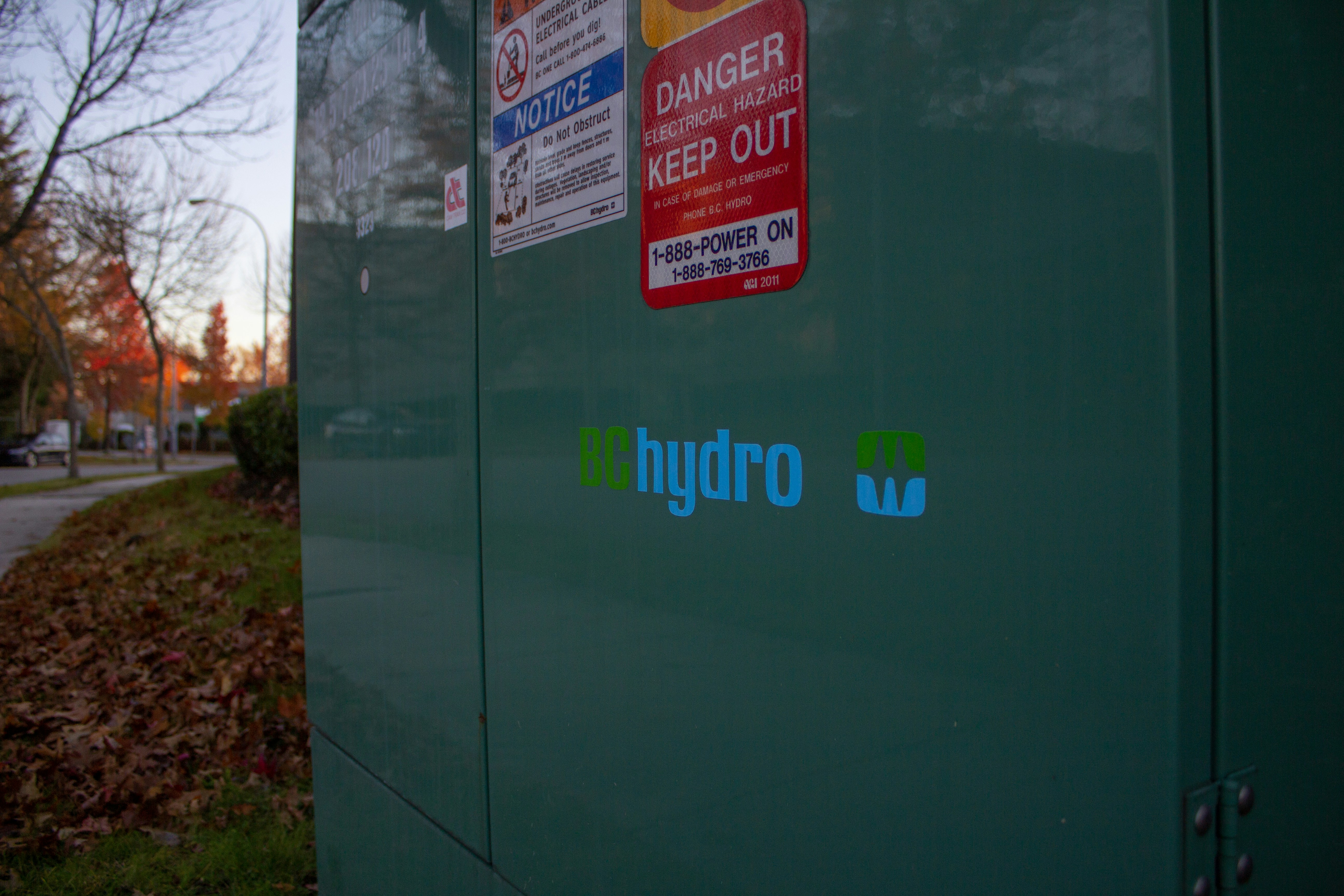
Understanding the Risks: Why Old Electrical Systems Are Hazardous
As homes age, their electrical systems often become outdated and potentially hazardous. One of the most pressing concerns related to old electrical systems is the heightened risk of fire hazards. According to the National Fire Protection Association (NFPA), electrical failures cause approximately 10% of all residential fires. Aging wiring, particularly if it is frayed or improperly insulated, can easily generate heat or sparks, leading to devastating results. Additionally, older homes might be equipped with outdated wiring materials, such as knob-and-tube systems, which do not meet current safety standards.
Furthermore, outdated circuit breakers are another critical issue. Modern electrical systems are designed to interrupt power flow more efficiently, minimizing the risk of overload. Older circuit breakers may fail to trip in case of a fault, allowing excessive current to flow through the system and increasing the chances of damaging electrical components or igniting a fire. Moreover, they might not provide adequate protection for modern appliances, which often require higher electrical demands than those for which older systems were originally designed.
Insufficient grounding is a common problem in older homes. Grounding protects residents from electrical shocks, particularly in situations where appliances malfunction. If the grounding system is inadequate or outdated, it increases the likelihood of electrical shock incidents, which can result in serious injuries or even fatalities. According to the U.S. Consumer Product Safety Commission (CPSC), more than 300 people die every year due to electrocutions, and a significant number of these incidents occur in homes with old electrical systems.
In light of these alarming statistics, it is crucial for homeowners to understand the inherent dangers posed by aging electrical systems. Evaluating and upgrading home electrical infrastructure can significantly reduce the risks of fire, electrical shock, and property damage, ensuring a safer living environment for everyone in the household.
Signs Your Electrical System Needs an Upgrade
Identifying the need for an electrical system upgrade can prevent potential hazards and ensure the safety of your home. Numerous warning signs indicate that your existing electrical system may require immediate attention. One of the most common indicators is frequent circuit breaker tripping. If you find that your circuit breakers frequently trip, it suggests that your system is overloaded, which can lead to overheating and create a significant fire risk. An upgrade may be necessary to accommodate the electrical demands of modern appliances.
Another crucial sign to watch for is flickering or dimming lights. These disturbances can indicate various issues, including faulty wiring or an inadequate electrical system that cannot handle the load. Homeowners should also take note of any sudden changes in appliance performance, such as dimming lights when you turn on other devices. Such symptoms are often signals that your electrical system is struggling to deliver consistent power.
Furthermore, the presence of two-prong outlets is a clear indication that your home may not meet current electrical safety standards. Modern homes are equipped with three-prong outlets that offer better grounding. If your property has outdated sockets, an upgrade is advisable for the sake of safety.
Unusual sounds can also serve as red flags for homeowners. If you hear buzzing or crackling noises coming from your outlets or switches, this can indicate electrical arcing, which poses a severe risk of fire. Lastly, an old or outdated electrical panel may be unable to adequately distribute electricity throughout your home, leading to potential overloads. Regular inspections of your electrical system are essential to avoid these issues. Taking prompt action when these signs are present will help maintain a safe living environment.
Preventive Measures to Ensure Electrical Safety
Maintaining the safety of electrical systems in the home is crucial for protecting both property and personal well-being. One of the most proactive steps homeowners can take is to schedule regular inspections with licensed electricians. These inspections help identify potential hazards such as frayed wires, outdated circuit breakers, and overloaded outlets. By addressing these issues promptly, homeowners can significantly reduce the risk of electrical fires and system failures.
Another important preventive measure is the installation of surge protectors. These devices safeguard electronic appliances from voltage spikes, which can occur due to lightning strikes or fluctuations in electrical supply. By using surge protectors, homeowners can extend the lifespan of their valuable electronics and prevent costly damage.
Additionally, opting for energy-efficient appliances can greatly contribute to electrical safety. Modern appliances are designed to consume less power and have built-in safety features that reduce risks associated with overheating and electrical malfunctions. By upgrading to these devices, homeowners not only enhance their safety but also promote energy conservation, leading to lower utility bills and a reduced environmental impact.
Upgrading an older electrical system to a more modern one can provide significant benefits, including improved safety features such as ground fault circuit interrupters (GFCIs) and arc fault circuit interrupters (AFCIs). These technologies are designed to prevent electrical shocks and detect hazardous conditions, offering an additional layer of protection for occupants.
Furthermore, educating all family members about electrical safety—such as not overloading outlets and being cautious around water—is essential. By taking these practical measures, homeowners can ensure their electrical systems remain safe and functional, providing peace of mind and security within their homes.
When to Call in the Professionals: Expert Help for Electrical Issues
Dealing with electrical issues in an older home can be particularly daunting, making it essential to know when to enlist the expertise of professional electricians. Older electrical systems often present unique challenges, such as outdated wiring, insufficient circuit capacity, and potential code violations, which may pose significant safety risks. Homeowners may encounter signs that indicate the need for professional intervention, including frequent circuit breaker trips, flickering lights, or burnt outlets. Addressing these issues promptly is crucial to maintaining safety within the household.
When selecting a qualified electrician, consider their experience and credentials. Look for licensed professionals who are trained to handle specific electrical tasks, including upgrading outdated systems, installing new circuits, and performing safety inspections. These experts not only have the technical knowledge required for proper installation and repair but are also familiar with current local codes and regulations. This familiarity ensures compliance with safety standards, reducing the risk of future complications for the homeowner.
Moreover, skilled electricians can offer valuable advice on improving energy efficiency within older systems. They can suggest modern solutions, such as LED lighting or smart devices, which can significantly enhance electrical performance while reducing energy consumption. Homeowners should actively seek out reputable electrical companies; checking online reviews, customer testimonials, and industry ratings can help ascertain the reliability of a service provider. A solid reputation often indicates quality workmanship and excellent customer service.
In summary, recognizing the signs that necessitate professional assistance is critical, especially in homes with antiquated electrical systems. Hiring a qualified electrician not only ensures safety but also provides homeowners with the peace of mind that comes from knowing their electrical issues are being handled by an expert. Investing in professional help can significantly enhance the safety and efficiency of your home’s electrical system.